

Acrylic vs. PU Lacquer: Which Kitchen Finish Actually Works for Delhi Homes?
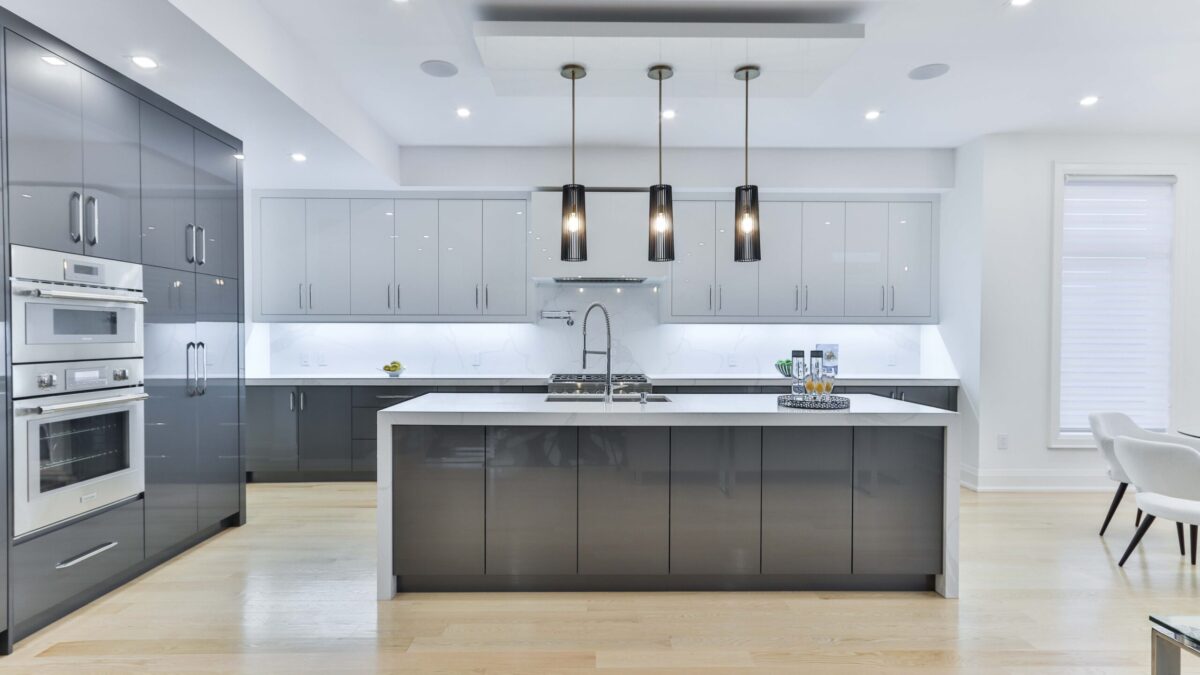
1. Introduction: The Finish Dilemma in Indian Kitchens
When planning a luxury modular kitchen in Delhi, homeowners consistently face one question above all others: should I go with acrylic or PU lacquer? These two finishes dominate premium kitchen design across South Delhi, Gurugram, and New Delhi's upscale residential corridors — and for good reason. Both look spectacular in a showroom. Both photograph beautifully. But they behave very differently in real Indian homes.
At QR8 Living, one of Delhi's leading bespoke furniture companies, we've designed and installed hundreds of kitchens across the capital. We've seen acrylic hold up brilliantly in light-cooking households — and watched it yellow in others. We've seen PU lacquer age like fine furniture — and seen poorly applied coats chip within a year.
This guide strips away the marketing language so you can make an informed decision before committing to a custom modular kitchen that will live with you for the next 10–15 years.
2. What Is an Acrylic Finish?
Acrylic kitchen shutters are manufactured by bonding a high-gloss acrylic sheet — typically 1–2mm thick — onto an MDF (Medium Density Fibreboard) substrate using heat and pressure. The result is an extremely smooth, mirror-like surface that reflects light generously across your kitchen.
Acrylic has been a popular choice for latest modular kitchen designs in Delhi because it is cost-effective, available in hundreds of colours, and delivers an undeniably premium look at first glance. It's especially popular in glass shutter modular kitchen designs where visual lightness is the goal.
How Is Acrylic Applied?
Unlike PU lacquer, acrylic is not painted onto wood — it is a pre-manufactured sheet that is glued or laminated. Colour consistency is factory-controlled and uniform across every door panel, drawer, and shutter in your kitchen.
3. What Is a PU Lacquer Finish?
PU (Polyurethane) lacquer is a spray-applied paint coating, typically applied in multiple layers with sanding in between coats. When done by a skilled craftsman — as is standard at the best bespoke furniture brand in Delhi like QR8 Living — the result is a finish that looks and feels like fine automotive paint: deep, tactile, and unmistakably premium.
PU lacquer can be applied in any sheen level — high gloss, satin, matte, or even a velvet-soft eggshell finish — giving designers and homeowners complete creative control. It is the preferred choice for truly bespoke furniture where the finish must integrate with a wider interior design language.
How Is PU Lacquer Applied?
Raw MDF or solid wood panels are primed, sanded, sealed, sprayed with multiple coats of PU lacquer under controlled conditions, and then finished with a topcoat for durability. The entire process is labour-intensive — which is why PU lacquer commands a premium and is associated with high-end kitchen ateliers.
4. Acrylic vs. PU Lacquer: Side-by-Side Comparison
| Feature | Acrylic Finish | PU Lacquer Finish |
|---|---|---|
| Appearance | High-gloss, mirror-like, plastic sheen | Deep, paint-like, available in any sheen |
| Colour Range | 200–300 standard shades | Unlimited — RAL/NCS custom match possible |
| Touch & Texture | Smooth but slightly hollow-feeling | Solid, luxurious, premium hand-feel |
| Heat Resistance | Moderate (may warp near hobs) | Good (better resistance when properly cured) |
| Feature | Acrylic Finish | PU Lacquer Finish |
|---|---|---|
| Scratch Resistance | Low — scratches show easily | Medium — more forgiving with hard topcoat |
| Moisture Resistance | High (sheet doesn't absorb water) | Good (depends on application quality) |
| Fingerprint Visibility | Very high on gloss surfaces | Lower on matte/satin variants |
| Repairability | Difficult — whole panel often needs replacement | Easier — localised touch-ups are possible |
| Cost (Relative) | ₹₹ — Mid-range | ₹₹₹ — Premium |
| Lifespan | 7–10 years with care | 10–15 years with quality application |
| Best For | Contemporary gloss kitchens | Bespoke, designer, matte luxury kitchens |
5. Pros & Cons of Each Finish
Acrylic Finish — Pros & Cons
| Pros | Cons |
|---|---|
| ✔ Affordable luxury look | ✗ Scratches easily — rings, keys, bangles leave marks |
| ✔ Wide colour availability | ✗ Can yellow in prolonged UV / direct sunlight |
| ✔ High moisture resistance | ✗ Edges can peel over time if MDF gets wet |
| ✔ Consistent factory colour | ✗ High fingerprint visibility on gloss |
| ✔ Easy to clean | ✗ Difficult to repair — panel replacement often needed |
| ✔ Works well with glass shutter modular kitchen designs | ✗ Heat near hobs can cause warping |
PU Lacquer Finish — Pros & Cons
| Pros | Cons |
|---|---|
| ✔ Truly custom — any colour, any sheen | ✗ Higher upfront cost |
| ✔ Longer lifespan with quality application | ✗ Quality varies by applicator — poor spray jobs are common |
| ✔ Repairable — localised touch-ups possible | ✗ Longer lead time due to multi-coat process |
| ✔ Premium tactile quality | ✗ Needs careful cleaning (no abrasive cleaners) |
| ✔ Matte/satin options hide fingerprints well | ✗ May require re-polishing after 5–7 years |
| ✔ Ideal for luxury parallel kitchen design ideas | ✗ Not ideal for very damp / unventilated kitchens |
6. Which Finish Suits Delhi's Climate and Cooking Style?
Delhi's climate throws everything at your kitchen: scorching 45°C summers, dusty pre-monsoon winds, 80%+ humidity during July–September, and cold dry winters. As custom modular kitchen dealers in South Delhi, we factor in these realities on every project we undertake.
For Heavy Indian Cooking
Daily tadka, pressure cooker steam, and high-heat wok cooking create a harsh environment. A matte PU lacquer paired with a hardener additive significantly outperforms standard acrylic in resisting grease absorption and steam damage. Acrylic is better suited to homes with chimneys, induction hobs, and lighter cooking routines.
For Light Cooking / Show Kitchens
For open-plan apartments in South Delhi or Lutyens' Bungalow Zone where the kitchen is a design statement, acrylic's high-gloss finish is hard to beat — particularly when combined with a glass shutter modular kitchen design and under-cabinet LED lighting.
7. Finish Recommendations by Kitchen Design Style
| Kitchen Style | Recommended Finish | Why It Works |
|---|---|---|
| Contemporary High-Gloss | Acrylic Gloss | Reflective surface amplifies light in compact kitchens |
| Luxury Parallel Kitchen | PU Satin or Matte | Long cabinet runs look more refined without high gloss |
| Glass Shutter Modular Kitchen | Acrylic or PU Gloss Accent | Glass and gloss complement each other elegantly |
| Neoclassical / Heritage Bungalow | PU Lacquer (Eggshell / Matte) | Mimics painted furniture; timeless over trendy |
| Minimalist Handleless | PU Ultra-Matte | Silky, fingerprint-resistant surface suits handleless profiles |
| Bold Colour Statement | PU Lacquer (Custom RAL) | Unlimited colour matching; depth unmatched by acrylic |
8. The QR8 Living Verdict
As Delhi's best bespoke furniture brand for discerning homeowners, our honest recommendation is this: both finishes have their place — but they are not interchangeable, and the choice should be driven by your lifestyle, not just your aesthetic preference.
Choose Acrylic If You…
• Want maximum gloss at a controlled budget
• Cook occasionally with good ventilation
• Love high-contrast latest modular kitchen designs in Delhi
• Prefer a wide palette of stock colours
• Want faster delivery timelines
Choose PU Lacquer If You…
• Want a truly bespoke, one-of-a-kind kitchen
• Cook frequently and want durability
• Are designing a luxury parallel kitchen with long cabinet runs
• Prefer matte or satin over high gloss
• Are investing in a 15+ year kitchen
9. Conclusion
Choosing between acrylic and PU lacquer for your kitchen is not a decision to take lightly — especially when you're investing in a luxury modular kitchen in Delhi that should serve you beautifully for over a decade. Acrylic delivers reliable glamour at scale. PU lacquer delivers depth, customisation, and the hallmark of a truly bespoke furniture experience.
At QR8 Living, we don't push one over the other. We listen. We study your home, your cooking life, your light, and your aesthetic — and then we design a finish strategy that makes your kitchen uniquely yours. Ready to see what's possible? Visit our studio in South Delhi or book a design consultation to explore the latest modular kitchen designs in Delhi from QR8 Living.
10. Frequently Asked Questions
For a truly luxury outcome, PU lacquer is generally superior — it offers deeper colour, better durability over 10+ years, and the tactile quality associated with bespoke furniture. However, acrylic is an excellent mid-range option for homeowners who want a premium look without a premium price tag.
A professionally applied PU lacquer finish — with proper primer, multiple coats, and a hardened topcoat — can comfortably last 10–15 years in an Indian kitchen. Cheap PU jobs done without proper curing may start chipping or yellowing within 3–5 years.
Yes — acrylic is one of the most scratch-prone kitchen finishes. Everyday items like rings, keys, utensils, and even cleaning sponges can leave fine scratches on a gloss acrylic surface. Deeper scratches are very difficult to repair without replacing the entire panel.
Acrylic-finish modular kitchens in Delhi typically start from ₹1.5–2 lakh for a basic setup, while PU lacquer kitchens from a quality bespoke furniture company usually begin at ₹3–5 lakh and above, depending on size, hardware, and design complexity.
Absolutely. A popular approach at QR8 Living is to apply matte or satin PU lacquer to the cabinet frames, letting the glass shutters provide the visual lightness and gloss. This creates an elegant contrast and a more sophisticated finish than using acrylic throughout.
PU lacquer with a hardener topcoat or moisture-resistant acrylic are both suitable; ensure the MDF substrate is moisture-sealed regardless of finish choice.
Use a soft microfibre cloth with mild soapy water — avoid abrasive scrubbers, spirit-based cleaners, or acidic solutions that can dull or crack the lacquer.
Among popular finishes, membrane foil and matte laminates are more scratch-resistant than acrylic; PU lacquer with a UV-cured topcoat offers better scratch resistance than standard acrylic.
Handleless ultra-matte PU kitchens, fluted glass shutters, two-tone island-with-perimeter designs, and integrated appliance panels are leading trends among Delhi homeowners in 2025.
Look for brands with a physical studio, verifiable site installations, and an in-house design team — QR8 Living operates a dedicated design studio in South Delhi for exactly this purpose.
Acrylic uses a thick polished sheet for a high-gloss mirror effect; laminate is a printed decorative paper sealed with resin, offering more texture options but less sheen and generally lower cost.
Yes — a well-planned luxury parallel kitchen design optimises every centimetre of a narrow space, with work zones on both sides and storage running the full length of the kitchen.
A quality modular kitchen with marine-grade plywood carcasses and a PU lacquer or acrylic finish lasts 10–15 years; cheaper MDF-only builds with laminate may need replacement in 5–7 years.